Recently I’ve been reminded of events that cause me to reflect on the past five years of our lives. It’s easy to look back and ask, What have we really accomplished?
In the emotions of this question I gain the tiniest glimpse of what it must be like to look back on seventy or eighty years of your life and say, I still have so much more left I would like to do. These infinite desires are not something to be squelched: they are the echoes of eternity within us. They tell us something about what it means to be human.
I think all of us in this season have had to reckon with, and rein in, our natural desires. Our desire to see or hold family members anytime; our desire for a casual trip to the market without planning and precautions; our desire to travel or work anywhere we want. Part of living a life well does mean learning to have mastery over our desires and finding contentment even in imperfect circumstances. Certainly this season has given us ample opportunities to practice this.
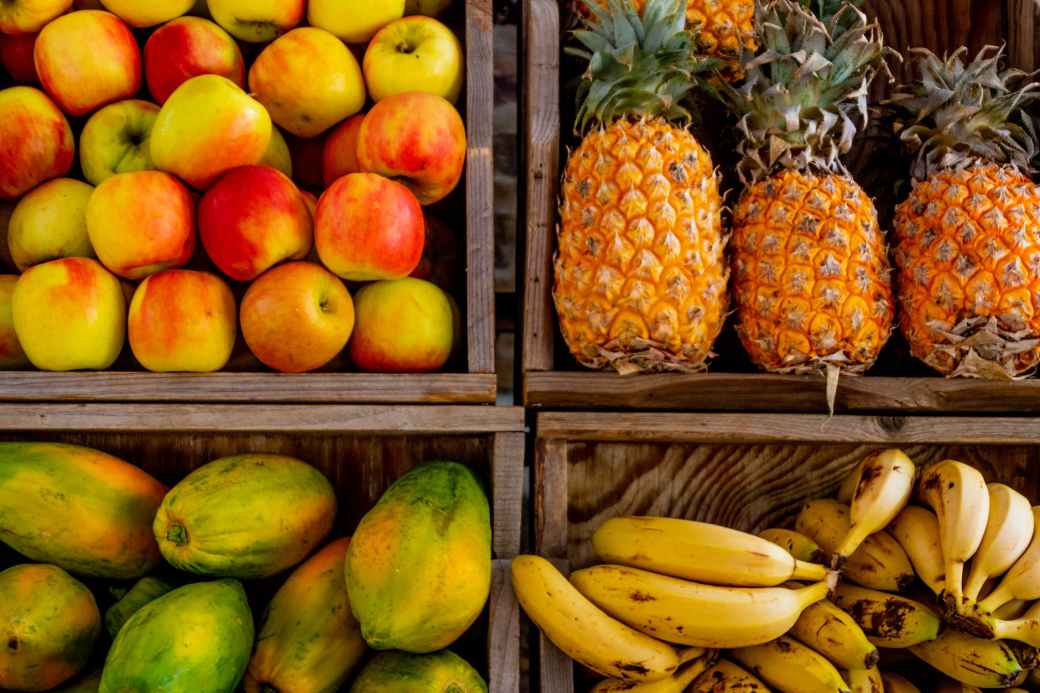
But I also think there is an essential piece of truth in the fact that God created man and woman as hungry beings. This cycle of hunger and fulfillment was not merely meant to be an inconvenience, a way of reminding us of our weakness and dependence upon the earth. It was not something that came after the fall, something we will “grow out of” in the new earth. In fact, eternity is often compared to a great feast.
Catherine of Siena writes about eternity: “But, in this way, hunger continues: Those who are hungry are satisfied, and as soon as they are satisfied, they hunger again. In this way their satisfaction is without disgust, and their hunger without suffering.
“Thus your desire is infinite, or otherwise it would be worth nothing.
…The only infinite thing you possess is the affection and desire of your souls.”
I’ve grappled with this idea in many of my poems this year because I want to learn to cultivate the right kind of hungers: the hunger for justice over serenity, the hunger for growth over predictability, the hunger for connection over insecurity. But most of all, I want to cultivate the kind of hunger that can only be satisfied by the Infinite.
Someday, if I get the chance to look back on my life fifty years from now, I want to be the one who says, What an incredible gift. But I also want to be the one to say, What’s next?
All your life stretches out before you
And you will never reach the end
Of the banquet table.
Welcome to the feast!


There is a call to prayer that broadcasts from outside my window. Generally it comes about three times a day. You can’t miss it.
It goes like this: First, you hear the pained but incoherent words of an older gentleman – intoxicated, unwell. He is my neighbor. We’ve passed each other on the street, but I’ve never been able to find out his name. The words get louder. Then they culminate to the loud and anguished wail, “Oh, God!”
Repeat.
I don’t know what to do with a cry like this. No matter the inducement, it obviously comes from a place of deep, deep pain. We’ve done what we could to reach out to this neighbor. When friendliness failed, we called the non-emergency police line and asked for a welfare check. Some would say he does not want help; I would argue that the help he needs is not available. Either way, it does not feel like enough. And every day, when I hear his voice in the same inflection, “Oh, God!”, I find my heart responding, Hear our prayer. Like the voice crying in the wilderness, like the anguished prophets of old, like the prayer of all the desperate blind and lame. Lord, have mercy.
Last night, shortly after one of these calls to prayer, we read Psalm 31 aloud. The first six verses are very familiar to me, as we pray them before bed several times a week. But when we reached verse ten, I immediately saw in my mind’s eye the face of this neighbor. Have mercy upon me, O Lord, for I am in trouble. As we continued, I could almost hear his voice reading aloud with me. I have become a reproof…among my neighbors; my acquaintances are afraid of me, and those who see me in the street shrink from me.
Then suddenly, it shifted. I became filled with the sudden realization that this was Christ’s psalm, that He was praying it along with me, and through me, that it was His voice who identified with this suffering. And in a flash I saw that this meant that my neighbor was showing me the face of Christ.
Who am I, after all I read of the ways God works in the world, to doubt that this neighbor of mine is closer to the heart of Christ than I will ever be? Who am I, after claiming to follow a Savior who was “despised and rejected by men,” who had “no place to lay his head,” to fail to see the image of this Savior who is before my very eyes?
Instead, with Christ, I will pray these words over both of us: My help has been in you, O Lord; I have said, “You are my God.” … save me for your mercy’s sake.
Let me not be confounded, O Lord, for I have called upon you.

You never say, Enough
What I have given, I have given.
You never tire of pouring yourself
out for the life of the world.
Day after ten thousand day
we grow weary, we run dry
and you are still our Abundance,
still your Infinity serves us
with a towel tied gladly
about your waist.
This is the meaning of your glory:
Love which begets love, Power
which stoops in perfect humility,
delighting in the raising.
It presses in daily upon us
and all my heart cries out for you
and (I confess) mixed
with adoration pities you, which
only shows my poverty.
Oh humble love, wider
than the heavens!
Oh, the bliss of someday loving
half as well as we are loved!

Peel back the layers of darkness
That cover our minds.
Sweep the smoky shadows from our eyes.
Reveal yourself to us once again.
We have grown old and blind
In our waiting
We have strained our eyes for
The sweep of the dramatic curtain
The sky broken open in glory.
A mourning dove sings.
A sudden tinge of dawn
On the slender horizon.
Listen, and you will hear the song
Of all things calling forth from memory
Back from true desire.
Listen—
Let us dance along the crevice
Of the trembling dawn
Let us hasten on to meet you
With arms piled full of light.


We will never know
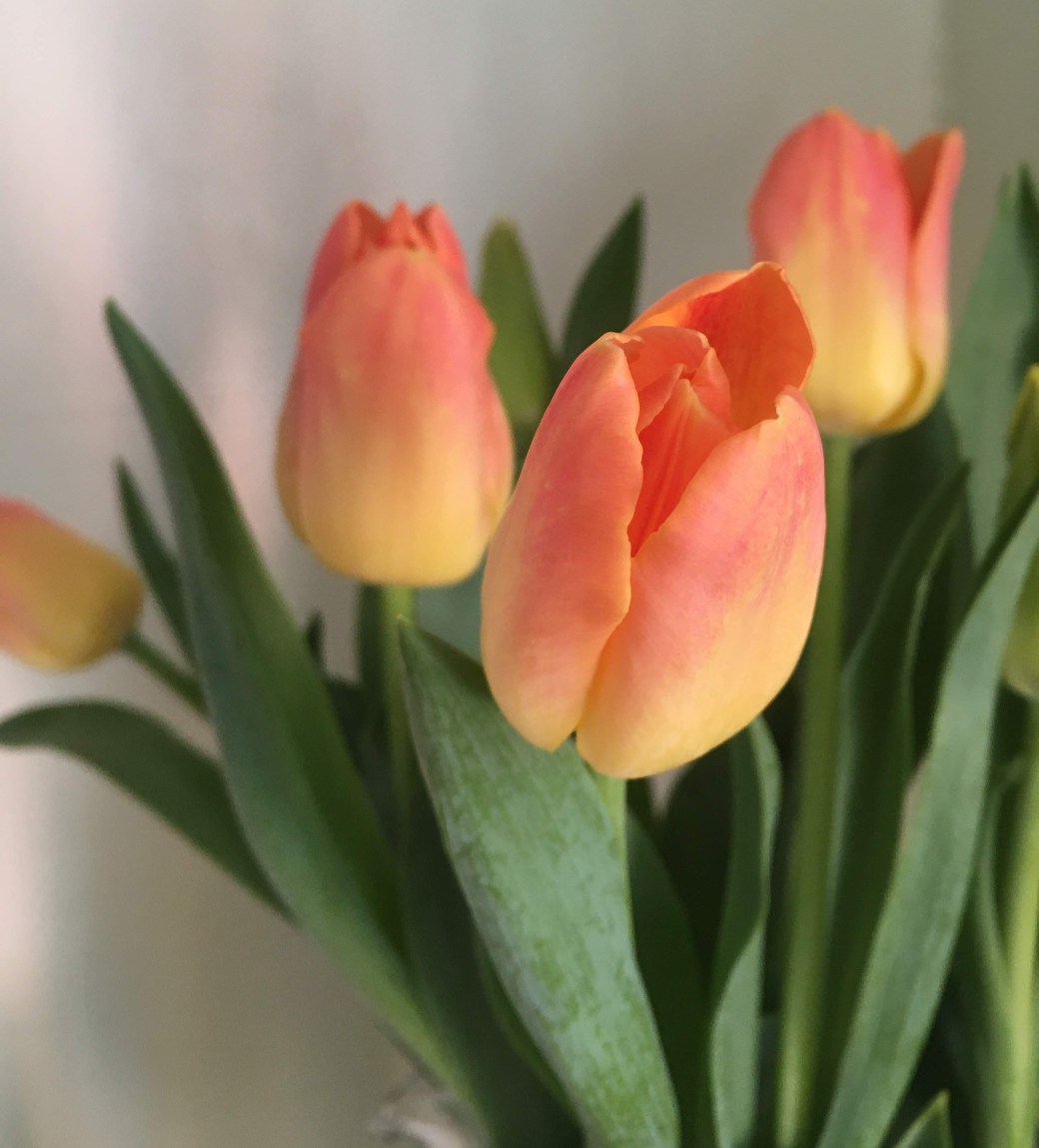
If the trees ask the sap to rise
Beg the light to become blossom
Open their slender bodies
To swell and ripen into fruit.
We will never know if they call the birds
Who come to them in their dreams.
We can only ask ourselves:
Will I beg the light to rise in me
Or stand dormant?
We can only say, Come to me.
Come and do not delay.