Pray for pimps and johns.

I debated whether or not I should post these thoughts today, as I realize it can be an extremely emotionally charged topic for some.

It also might not be something we talk about much, but that’s exactly why I felt I needed to start (or at least re-emphasize) this conversation. Especially in light of our upcoming adventure. I hope you will give me grace for any aspects of the topic I may have overlooked.

Friends, we need to pray for pimps and johns.

We really do. We can talk all day about the factors of sex trafficking–ending demand, recognizing victims, providing restorative healing. All of these factors are so important. Yet when we talk about the role of prayer in anti-trafficking work, we tend to focus exclusively on the victims. We talk about the men who buy and sell them as “the enemy.” I can’t even tell you how many times I’ve talked to someone about the realities of sex trafficking, and they’ve mentioned how tempting it is to want to take “those guys” down with a shotgun.

Yes, there are men in this world doing incredibly inhumane and cruel things to vulnerable women and children. Yes, they deserve justice–including conviction and prison time. Yes, we should do everything we can (legally) to frustrate their efforts to abuse and keep them from re-offending.

But they are not the enemy. Our true enemy is evil itself, the father of all lies.

If anyone reading this has been exploited by a pimp, or suffered at the hands of a john, I can’t even express how sorry I am that those things happened to you. In no way was any of it your fault. I hope you have been able to find help and healing from those traumatic experiences–if not, contact me and I know many people who would love to walk alongside you in that process.

I just hope through this article we are able to remember that simply because we choose to pray for these perpetrators, we are in no way excusing the evil they have done. We are instead choosing to see that the source of that evil begins way beyond them, and therefore the power to end it does too. Our best chance to end their abuse and exploitation is to take our case directly before the Father, who is more passionate about the cause of the vulnerable than we can possibly imagine.

In light of that, here are several key ways we can be praying for them:

  • For true repentance. First and foremost, we should mercifully plead with God to bring these offenders to repentance. The New Testament story of Saul comes to mind whenever I think about this one. He embodied the full spectrum of abusive power–and yet through God’s grace and genuine repentance he went on to become one of the most explosive forces for good the world had ever seen. We should be asking God to do the same for perpetrators, desiring to see them also brought to new life in Christ.
  • If they will not repent, for removal from positions of power. Because God has given us all free will, we know that not all perpetrators will repent. If their hearts are hardened, I believe it is entirely biblical to ask God to remove them from any positions of power, or any further opportunities to exploit–whether through a sudden change in circumstances, tragedy, legal conviction, or even death. The Psalms are full of passionate pleas for God to destroy the authority of evildoers. However, we must be cautious not to make these prayers vengefully, as God can be trusted to bring full justice in his way and his timing.
  • For their deeds to not carry on through future generations. We must continue to pray that boys and girls will not grow up seeing “pimping” as a synonym for “cool,” or think that it’s normal for men to buy sex from women and girls. We need to pray that violent and abusive relationships–especially against women and children–will not perpetuate in a cycle of brokenness.
  • For their victims to find hope and healing. I certainly don’t want to ignore the fact that the acts these offenders have committed caused trauma, shame, and a complex level of pain. Praying for both perpetrators and victims goes hand-in-hand, as their terrible and destructive choices have affected many lives.
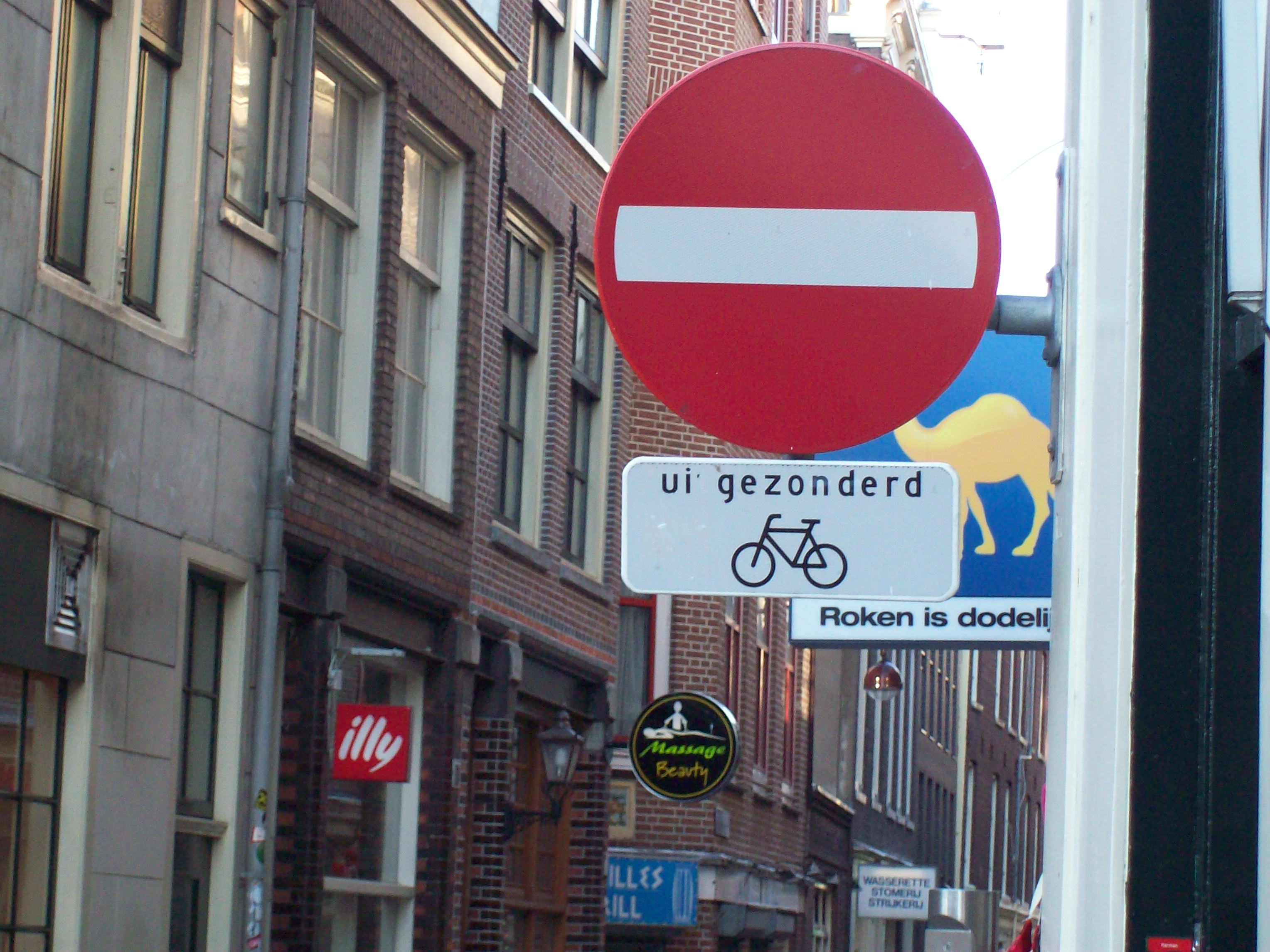
Why Amsterdam?

“The caged bird sings

with a fearful trill

of things unknown,

but longed for still,

and his tune is heard

on the distant hill

for the caged bird

sings of freedom.”

-Maya Angelou

It is estimated that there are over 25,000 women working in prostitution in the Netherlands. Many of them are victims of human trafficking. Many of them can be found in the Red Light District of Amsterdam.

When I think of these beautiful women, sitting behind the windows while gawking tourists stroll past, it’s hard not to see the image of a caged bird in my mind. Something so beautiful, which normally represents an image of freedom and flight, is suddenly…trapped. Whether or not this woman is there by “choice,” I remember what one advocate asked me: “If this was her choice, then what were her options?” No woman grows up dreaming of a life like this.

It was the stories of these women who first captured my heart several years ago. Stories of women who had come for a better life, had been promised everything, and were then forced to sell their bodies on the streets. Stories of women who felt that this was their deserved place in society–after all, it was all they knew how to do. Stories of women so hopeless that, when given the chance to escape, they simply…stay.

Why Amsterdam? we sometimes get asked. We are all too well aware that sex trafficking and other forms of sexual injustice occur all over the globe. Here in Portland there are hundreds of women just like the women in Amsterdam–without freedom and without hope. So why fly halfway across the world to find more?

The best answer we can give is simply to say, these too are our sisters. Whether they are walking on 82nd Ave, or sitting in a window in Amsterdam, we want women across the globe to know that they are valuable. They are loved. They are worth it.

We fly out in five (!!) weeks, which seems ridiculously soon and, at the same time, a million years away. My biggest struggle right now is continuing to remember that this trip is not about me, has never been about me, and will never be about me. It’s exciting to think of travel, adventure, and new experiences. It’s actually embarrassing how excited I get about even just packing our suitcases. If you think of it, please pray for me in the coming weeks, and that my heart would be able to focus and prepare on serving instead of consuming, and loving deeply rather than simply just “having fun.”

Also, to read the full version of this post, head over to this awesome website here!

100_2064

100_2052

No Secular Things

And I don’t believe in secular things,

Just a world waiting to be redeemed.

All the earth is holy ground.

–Tenth Avenue North


Life after college raised a lot of questions for me.

Throughout school I had developed a lot of ideas about what kind of person I wanted to be, and what I felt life should look like. Then I faced the point where it was a lot harder to live it out than I thought it would be…and I realized why so many people settle for what I had considered mediocre lives.

It’s hard work getting up every day, and dedicating the best hours to a job you may not always love. It’s hard work getting up every day, and setting yourself aside to focus on the needs of others. It’s hard work denying yourself temporary pleasure to gain something that will one day be worth it, or investing in relationships with people that see life so differently than you.

In one way, nothing has changed–these challenges have always been present. Yet suddenly it felt like it was all up to me to get this right.

In the past year and a half, I have come to realize my strong tendency towards doing. It’s extremely difficult for me to feel as if I’m “wasting” my time, so I like to keep busy. But even more than that, I’ve come to realize how all of my beliefs about “secular” vs. “sacred” are much harder to live out than I may have thought.

I truly believe the condition of our hearts are much more important than the actions we do. At least, I believe this in my head. The trouble is, sometimes my heart overrides my head and starts to panic. This happened a lot when we were first married, and moved into a new community. It took a while for me to find a job, and even then I felt constantly guilty that I wasn’t involved in “ministry.” I felt that I would stand before God one day, and answer for all the time I was wasting. Yet at the same time, I would constantly remind my husband that his nine-to-five office job was just as important as any type of “ministry,” because what mattered more was how and why we worked. I truly believed this, but I was just beginning to realize how hard that can be to actually live out.

I don’t like this idea that pastors and non-profit workers are doing ministry, while the rest of us are not. A lot of people have been writing books and articles about this subject and have opened up a great discussion on this point. Yet I still couldn’t shake this pressure I had put on myself, this panicky need to “get involved.”

In the end, I did get involved in a wonderful organization that I am still volunteering with today. There are so many needs in the world, in our communities, and I do think it’s important that we are generous with our time in these ways. What I need to remember, however, is that I’m not doing these things to make God happy. He’s not looking down at our schedules with disappointment if we’re not committed to five different non-profit organizations. He cares so much more about the condition of our hearts.

When our hearts are right before God, we’re looking for ways to serve others. Maybe you don’t volunteer with any organization, but you’re getting to know your neighbors or coworkers. Are you looking for ways to do good, meet needs, and give yourself and your resources generously in order to bring glory to our generous God? Then you are doing ministry.

Maybe you have a “secular” hobby, such as running, baking, hiking, or watching sci-fi movies. These are opportunities to build relationships in a way that honors our relational God. Maybe you spend most of your spare time doing housework or yardwork. Ask God to help you do this work in such a way that it points clearly to his goodness and beauty.

The biggest secret I have found in seeing the world as holy ground is this: pay attention.

Notice the person who rings up your groceries, the man digging through the trash behind your office building, the small child waiting at the bus stop. Stop a moment in your busy life, and show them that they matter.

Notice the coworker who seems discouraged, the neighbor who could use some help weeding the lawn, the friend who might need a chance to speak and really be heard. See them. Engage them. Offer to meet that need.

This is doing justice: trying to do rightly by everyone we meet, and give generously the resources we have in turn been given. This is doing justice: to honestly admit our own failures and limitations, and trust in the power of a God who can take our small loaves and multiply them into thousands.

This is justice: to show genuine value and generosity to others, not because we feel guilty or are trying to make God happy, but because we desire to treat them as well as God has treated us.

We’re Going to Amsterdam!

2014-12-08

Ben and I are so excited to share our news with you today!

This summer we began the process of applying for a three-month internship in Amsterdam with YWAM (Youth With A Mission), without really knowing if it would even come together. We were thrilled to find out several months ago that not only were we accepted, but Ben’s work agreed to let him work remotely–as in, work from Amsterdam! Since then, everything has begun to fall into place, and we can’t wait to head there in the end of March.

While in Amsterdam, we’ll both be living on the YWAM base and part of the community there. Jenna will be attending a six-week seminar called SHINE, which focuses on the global sex trade and the Christian response. She will then spend the next six weeks in an internship with YWAM’s Lighthouse Ministry, which builds relationships and shares Christ’s love with women in the Red Light District.

We don’t know too much more yet about what that will look like specifically, but the details are beginning to come together more and more every month. If you have any questions or would like to talk about it more with us, we’d love to share what we know!

A lot of people have begun asking us about fundraising, and whether we will be asking for support. We’re excited to say that no, we won’t need to do any fundraiser for this trip, as Ben will be working and still earning a regular salary. However, the Lighthouse staff and ministry have several needs that they have given me permission to share with anyone interested. If you would like to donate towards these needs instead, let me (Jenna) know and I would be happy to get that information to you! They have such a heart for the Lord, and we’re excited to serve and bless them as well as the city of Amsterdam.

We’ll be continuing to post updates, prayer requests, and other info here as it gets closer! Stay tuned!

The Fabric of Justice

I just recently finished Timothy Keller’s book Generous Justice. A profound and wise look at what it really means to “do justice,” I highly recommend giving it a try.

Through this book, Keller provides a great argument for the necessity of both legislative and relational justice. His ending, however, struck me most. You can program and legislate justice to change people’s situations. But only relationships can truly restore peace, because they change people’s hearts.

Take a look at how he explains it:

“As a result, the world is not like a lava cone, the product of powerful random eruptions, but rather like a fabric. Woven cloth consists of innumerable threads interlaced with one another. Even more than the architectural image, the fabric metaphor conveys the importance of relationship. If you throw thousands of pieces of thread onto a table, no fabric results. The threads must be rightly and intimately related to one another in literally a million ways. Each thread must go over, under, around, and through the others at thousands of points. Only then do you  get a fabric that is beautiful and strong, that covers, fits, holds, shelters, and delights.

“God created all things to be in beautiful, harmonious, interdependent, knitted, webbed relationship to one another. Just as rightly related physical elements form a cosmos or a tapestry, so rightly related human beings form a community. This interwovenness is what the Bible calls shalom, or harmonious peace. ..

“Specifically, however, to ‘do justice’ means to go to places where the fabric of shalom has broken down, where the weaker members of societies are falling through the fabric, and repair it…How can we do that? The only way to reweave and strengthen the fabric is by weaving yourself into it. Human beings are like those threads thrown together onto a table. If we keep our money, time, and power to ourselves, for ourselves, instead of sending them out into our neighbors’ lives, then we may be literally on top of one another, but we are not interwoven socially, relationally, financially, and emotionally. Reweaving shalom means to sacrificially thread, lace, and press your time, goods, power, and resources into the lives and needs of others.”

Generous Justice, pg. 173, 177

He Calls Them Beloved.

“Beloved, if God so loved us, we also ought to love one another.”

1 John 4 is a must-read for anyone looking to discover what it means to be the beloved of God. Mixed among some of the most beautiful descriptions of God’s love in all of Scripture are these constant reminders of our responsibility to pass that love on. And having the Creator and Sustainer of the universe as a role model means the stakes are raised pretty high.

I find it fascinating that although this passage does go on to describe the incredible love of God, it begins with an injunction to love one another. What’s even more fascinating, however, are the lines that come directly after this command: “for love is from God, and whoever loves has been born of God and knows God” (v7). 

In other words, every time I demonstrate genuine love, I’m acting out my knowledge of the character of God. I’m demonstrating who God is, and identifying myself with Him in some way, however small.

How often I forget this when I’m in a situation that requires self-sacrificing love! How quick I can be to accuse, to turn aside, or to push for my own way. Yet if I truly understand the character of God, I should realize that it doesn’t just end with me. The same God who sees me as beloved also sees them as His beloved. And so should I.

Think for a moment of someone to whom you struggle in showing love. It could be a coworker, a member of your Bible study, or a even a family member or friend. Consider the following list with them in mind:

  • They are made in the image of God (Gen. 1:27)
  • The very hairs on their head are numbered with care (Matt. 10:30)
  • God looks on them with compassion (Matt. 9:36, 23:37)
  • He delights in them as His creation (Eph. 2:10)
  • If they believe in Christ, they are his friend, child, and co-heir (John 15:15, Rom. 8:16-17)

How does it feel to think about them in this light? Personally, I know it is very hard to be irritated with someone, and believe them to be delighted in by God at the same moment. Taking the time to remember these truths can diffuse many of the negative or harmful thoughts we have about each other. They deserve our care and respect for no other reason than being created in the image of God.

However, I believe that to truly understand what it means to live out the “belovedness” of others, we have to take it even one step further. If every act of love becomes a tangible demonstration of the character of God, then this is a powerful way to speak of Him to those we meet. Imagine if you treated every person you saw tomorrow as if they were passionately cared for by the God of the Universe. How would that change the way you talk to the person who serves your meal, rings up your purchase at the grocery store, or fixes your leaky faucet? How would that change the way you really notice the people around you, and what needs they might have? How would that change the way you pray?

Once again, it all boils down to the character of God–a God who spontaneously, generously loves every single beautiful and broken soul he created. A God who loves purely, who hates the sin that separates us from Him, and took it upon himself to provide the solution that we could not. A God who offers this redemption freely, who asks us to love him wholeheartedly, and who is concerned with the injustice in our world and the poverty not only of tangible resources, but the poverty of love.

When faced with a love this extravagant, what else can we do but give it out?

“A new command I give you: Love one another. As I have loved you, so you must love one another.” John 13:34

The most important thing you ever do.

Before this past year, I never really put much stock in all this talk about “identity.”

Maybe it was because I already thought I knew who I was. Or maybe it was because I never realized how wrong so many of my thoughts about myself were.

Whatever it was, I blew off talks of identity as too self-focused. I saw it as a way to build other people’s self-images–simply trying to make people feel better about themselves. As if feelings can solve anything, I thought.

The reason I’m starting out my blog with this post is because I now realize that understanding your identity is the most important thing you will ever do. Answering those big questions–Who am I? Why am I here? What is my unique role to play in this community? In the world?–will not just become how you define your life. They will become your life.

The reality is, we drive in the direction we are looking. We follow our idea of who we are to its next logical conclusion every time. That’s why it is so, so important to actually THINK about who we think we are.

If I see myself as inadequate, “not enough,” then guess what? I’m never going to go very far.

If I see myself as meant to enjoy life to the fullest, then guess what? My one goal in life is to have fun. To be happy.

If I see myself as the girl meant to solve the world’s problems, then guess what? You got it–an overwhelmed hopelessness at all the evil in the world–and burnout trying to make a dent.

BUT–

If I see myself as the Beloved of God

If I see myself full of the power of the Holy Spirit

If I see myself as one who has been given incomparable riches through Christ

If I see myself intimately connected to the Creator and Sustainer of the Universe…

..then guess what? My life is going to head in that direction.

Let’s go back to that again: embedding yourself rock-solid in who you are is the most important thing you’ll ever do.

Now, remember how I said I used to blow that off, because it sounded too self-centered? Well here’s the beautiful thing we’ll explore in the next two posts. A rock-solid identity doesn’t just change how you view yourself, and the outcome of your life. It does two things more important than that: opens your heart up to love and worship of your Creator, and forever changes the way you see those around you as well.

When we look at it this way, we see that coming to terms with our identity is merely a step in the process. We can’t stop there, as if the whole point was to make us feel better about ourselves. True identity-shift will always bring us back into a posture of worship and compassion.